
When Should Homeowners Use Tempered Glass Windows?


Most homeowners only consider tempered glass after someone tells them they need it.
In many cases, it is not optional. Building codes require tempered glass windows in specific locations to reduce the risk of injury.
This guide explains when to use tempered windows, where building codes require them, and why they matter for safety and compliance.
We're ready and able to assist with any questions or concerns.
When Should Homeowners Use Tempered Glass Windows? (Quick Answer)
Windows need to be tempered when they are installed in areas where human impact is likely.
This includes:
Near doors
In bathrooms and showers
Close to the floor
Along stairways and landings
Building codes require tempered glass in these areas because it breaks into small, less dangerous pieces. This helps reduce the risk of serious injury.
Longhorn Windows carries a variety of tempered glass options.
What Is Tempered Glass (and Why Is It Safer)?
Tempered glass is a type of safety glass that undergoes a heat-treatment process to increase its strength.
Compared to standard glass, this type of glass is:
Stronger under impact
More durable under temperature changes
Safer when broken
Instead of breaking into sharp shards, tempered glass shatters into small, rounded pieces.
Building codes require tempered glass windows in areas where people are more likely to fall or make contact with glass.
Tempered Glass Window Code Requirements
Building codes outline specific situations where tempered glass is required. While exact measurements may vary slightly by location, the general rules remain consistent.
Common Situations Where Tempered Glass Is Required:
Near doors: Windows located within a certain distance of a door
Near the floor: Windows installed low to the ground
Bathrooms and wet areas: Areas with higher slip risk
Stairways and landings: Fall-prone locations
These tempered window requirements exist to reduce injury risk in high-impact zones.
Always confirm local requirements, as exact distances and rules can vary by city.
Worried about meeting strict building codes?
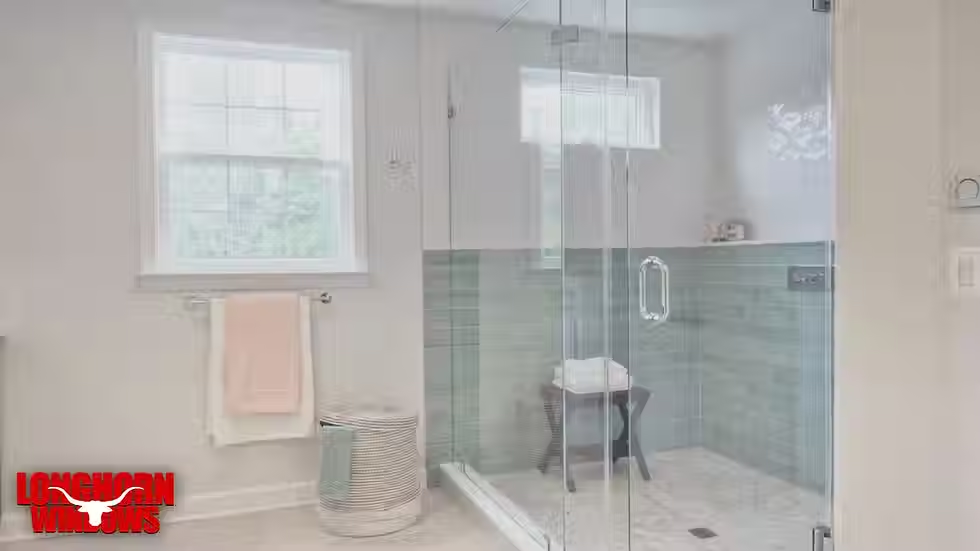
Do Bathroom Windows Require Tempered Glass?
In most cases, building codes require safety glass.
Building codes usually require tempered glass for bathroom windows near bathtubs, shower doors, or other wet areas.
Water increases the risk of slipping, which makes impact more likely.
What About Shower Windows?
Building codes almost always require tempered glass for shower windows.
These areas are considered high-risk because:
Surfaces are slippery
Movement is limited
Falls are more likely
Local codes may vary slightly, but most require tempered glass in these situations.
We serve many townships across the Greater Houston area.
Windows Near Doors: Do They Need Tempered Glass?
Yes—windows located near doors often require tempered glass.
In many cases, code requires tempered glass if a window is within approximately 24 inches of a door.
People frequently use glass doors, which increases the chance they will impact nearby glass.
*Dealing with drafts or rising energy bills? See the 5 signs it’s time to replace your windows.
Tempered Glass for Windows Near Floors & Stairs
Windows installed close to the floor must often meet tempered window code requirements.
Why this matters:
People can fall into low windows
Larger glass panels increase impact risk
Stairways and landings also require tempered glass because of the increased fall risk.
Most building codes classify these areas as hazardous locations.
Tempered vs Regular Glass Windows
Understanding the difference between tempered and standard glass helps explain why code requires it.
Strength:
Tempered glass is several times stronger than standard glass
Safety:
Tempered glass breaks into small pieces
Regular glass breaks into sharp, dangerous shards
Cost:
Tempered glass costs more upfront
However, it provides greater safety and compliance
In most required areas, using standard glass is not permitted.
*Planning ahead for colder weather? Read our guide on Winter Is Coming: Why October is the Best Time to Replace Your Windows in Texas.
Cost of Tempered Glass Windows
Tempered glass typically costs more than standard window glass.
What to expect:
Slight increase in material cost
Minimal difference in overall project cost
The added cost is usually small compared to the safety benefits and code compliance.
In most cases, building codes require this upgrade, so you should include it in your window replacement cost.
Replacing your windows can be easier on your bank account.
Can You Upgrade to Tempered Glass?
Yes, you can upgrade to tempered glass window replacement.
When upgrading makes sense:
Your current windows do not meet code
You are remodeling or updating your home
You are replacing older windows
Retrofitting older homes often involves upgrading to tempered glass in key areas.
A professional inspection can help identify where upgrades are needed.
*Need help choosing new windows? Discover how to find the best replacement windows for your Texas home.
What Happens If You Don’t Use Tempered Glass?
If you skip tempered glass where codes require it, you can create several issues.
Code Violations
Your home may fail inspection during renovation or resale.
Safety Risks
Standard glass increases the risk of serious injury.
Resale Problems
Buyers and inspectors may flag non-compliant windows.
Using the correct glass is not just about compliance—it protects both your home and the people in it.
Tempered glass fits a variety of window styles we offer.
Do You Need a Professional to Install Tempered Windows?
Professionals should install tempered windows to ensure proper compliance and performance.
Proper installation ensures:
Code compliance
Correct placement
Long-term performance
Mistakes in window installation can lead to:
Failed inspections
Water or air leaks
Safety risks
Working with experienced window contractors helps avoid costly issues.
The Longhorn process is accelerated, affable, & affordable.
Final Thoughts
Tempered glass is not just a feature—it is a requirement in many parts of your home.
You need to use tempered windows in areas where impact is more likely, including near doors, bathrooms, floors, and stairways.
Understanding tempered glass window code requirements helps you:
Stay compliant
Improve safety
Avoid costly corrections later
Not Sure If Your Windows Meet Code Requirements?
If you are unsure whether your windows meet current tempered window code requirements, a professional evaluation can help.
At Longhorn Windows, we help homeowners identify where codes require tempered glass and ensure every installation meets those standards.
Get clear guidance and ensure your windows meet safety and code requirements.
During your consultation, we’ll evaluate your existing windows, review performance ratings, and explain your options clearly — so you can make an informed decision without pressure.
*Considering DIY window installation? Learn the risks and why professional installation matters.


Comments